Understanding Paediatric Orthopaedic Surgery Techniques

Paediatric orthopaedic surgery is a specialized field that focuses on diagnosing and treating musculoskeletal issues in children. Unlike adults, children's bones and joints are still developing, which presents unique challenges and opportunities for treatment. Understanding the various techniques used in paediatric orthopaedic surgery can help parents, caregivers, and healthcare professionals make informed decisions about the best care for young patients.

The Importance of Paediatric Orthopaedic Surgery
Children are not just small adults; their bodies are different in terms of growth patterns, healing processes, and responses to treatment. Paediatric orthopaedic surgeons are trained to address these differences, ensuring that children receive the most appropriate care. Common conditions treated in this field include:
Congenital deformities: Conditions present at birth, such as clubfoot or hip dysplasia.
Trauma: Fractures and injuries resulting from accidents or falls.
Infections: Bone infections like osteomyelitis that can affect growth.
Tumors: Benign or malignant growths that may require surgical intervention.
By addressing these issues early, paediatric orthopaedic surgeons can help prevent long-term complications and promote healthy development.
Common Techniques in Paediatric Orthopaedic Surgery
1. Casting and Splinting
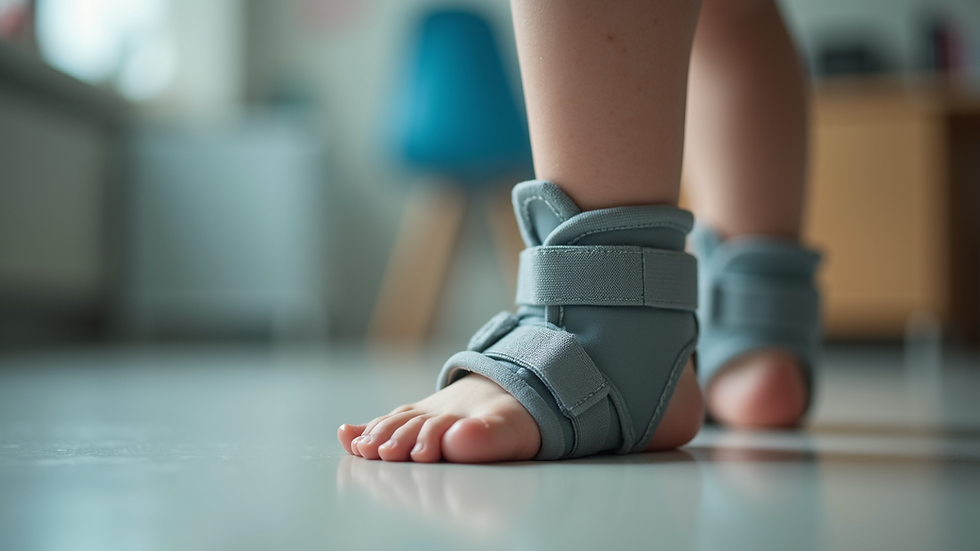
One of the most common non-surgical techniques used in paediatric orthopaedics is casting or splinting. This method is often employed for:
Fractures: Immobilizing broken bones to allow for proper healing.
Deformities: Correcting conditions like clubfoot through gradual repositioning.
Casting is typically done using lightweight materials to ensure comfort while providing adequate support. The choice between a cast and a splint depends on the specific injury and the child's age.
2. Minimally Invasive Surgery
Minimally invasive techniques have revolutionized paediatric orthopaedic surgery. These procedures involve smaller incisions, which lead to:
Reduced pain: Smaller cuts mean less trauma to the surrounding tissues.
Faster recovery: Children can often return to normal activities more quickly.
Less scarring: Smaller incisions result in minimal visible scars.
Examples of minimally invasive procedures include arthroscopy, where a small camera is inserted into the joint to diagnose and treat issues, and percutaneous pinning for fractures.
3. Osteotomy
Osteotomy is a surgical procedure that involves cutting and repositioning bones to correct deformities. This technique is often used for:
Hip dysplasia: Realigning the hip joint to improve function.
Leg length discrepancies: Adjusting the length of bones to ensure proper alignment.
Osteotomies can be complex and require careful planning, but they can significantly improve a child's mobility and quality of life.
4. Growth Modulation
In some cases, surgeons may use growth modulation techniques to correct deformities while taking advantage of the child's natural growth. This can involve:
Guided growth: Placing a device on the growth plate to slow down growth on one side, allowing the other side to catch up.
Hemiepiphysiodesis: A procedure that temporarily halts growth on one side of a joint to correct angular deformities.
These techniques can be particularly effective in treating conditions like bowlegs or knock knees.
5. Joint Replacement
While joint replacement is more common in adults, it can also be necessary for children with severe joint damage due to conditions like arthritis or trauma. Paediatric joint replacement involves:
Custom implants: Using specially designed implants that accommodate a child's growth.
Revisions: Planning for future surgeries as the child grows and the implant needs to be replaced.
Joint replacement in children is a complex decision that requires careful consideration of the risks and benefits.
Postoperative Care and Rehabilitation
After any surgical procedure, proper postoperative care is crucial for a successful recovery. This includes:
Pain management: Ensuring the child is comfortable and managing pain effectively.
Physical therapy: Engaging in rehabilitation exercises to restore strength and mobility.
Follow-up appointments: Monitoring healing and addressing any complications.
Parents play a vital role in supporting their child's recovery by following medical advice and encouraging participation in rehabilitation activities.
The Role of Technology in Paediatric Orthopaedics
Advancements in technology have significantly impacted paediatric orthopaedic surgery. Some notable innovations include:
3D printing: Creating custom implants and surgical guides tailored to the child's anatomy.
Robotic-assisted surgery: Enhancing precision and reducing recovery times.
Telemedicine: Allowing for remote consultations and follow-ups, making care more accessible.
These technologies not only improve surgical outcomes but also enhance the overall patient experience.
Challenges in Paediatric Orthopaedic Surgery
Despite the advancements in techniques and technology, paediatric orthopaedic surgery faces several challenges:
Anatomical differences: Children's bones are more flexible and have different healing capacities compared to adults.
Psychological factors: Children may have anxiety about surgery, requiring special attention to their emotional needs.
Growth considerations: Surgeons must account for ongoing growth and development when planning treatments.
Addressing these challenges requires a multidisciplinary approach, involving surgeons, nurses, physical therapists, and psychologists.
Conclusion
Paediatric orthopaedic surgery is a vital field that addresses the unique musculoskeletal needs of children. Understanding the various techniques available can empower parents and caregivers to make informed decisions about their child's care. From casting and minimally invasive procedures to advanced technologies, the options for treatment continue to evolve, offering hope and improved outcomes for young patients.
As you navigate the complexities of paediatric orthopaedic care, remember that early intervention and collaboration with healthcare professionals are key to ensuring the best possible outcomes for your child.

Comments