Effective Treatments for Clubfoot and Deformities

Clubfoot is a congenital condition that affects the foot's position, causing it to turn inward and downward. This condition can lead to difficulties in walking and can significantly impact a child's quality of life if not treated effectively. Fortunately, there are several effective treatments available that can help correct clubfoot and other related deformities. This blog post will explore these treatments, their effectiveness, and the importance of early intervention.
Understanding Clubfoot
What is Clubfoot?
Clubfoot, or congenital talipes equinovarus, is characterized by an abnormal positioning of the foot. The foot appears twisted and may point downwards and inwards. This condition can affect one or both feet and is often diagnosed shortly after birth.
Causes of Clubfoot
The exact cause of clubfoot is not fully understood, but several factors may contribute, including:
Genetics: A family history of clubfoot can increase the likelihood of the condition.
Environmental factors: Certain environmental influences during pregnancy may play a role.
Neuromuscular disorders: Conditions that affect muscle control can also lead to clubfoot.
Importance of Early Diagnosis
Early diagnosis is crucial for effective treatment. Most cases of clubfoot are identified during routine prenatal ultrasounds or shortly after birth. The sooner treatment begins, the better the chances of achieving a normal foot position.
Treatment Options for Clubfoot
Ponseti Method
The Ponseti method is the most widely used treatment for clubfoot. It involves a series of gentle manipulations and casting to gradually correct the foot's position.
Steps Involved:
Initial Assessment: A healthcare professional evaluates the severity of the clubfoot.
Casting: The foot is manipulated into the correct position and held in place with a cast. This process is repeated weekly for several weeks.
Achilles Tendon Release: In some cases, a minor surgical procedure may be necessary to lengthen the Achilles tendon.
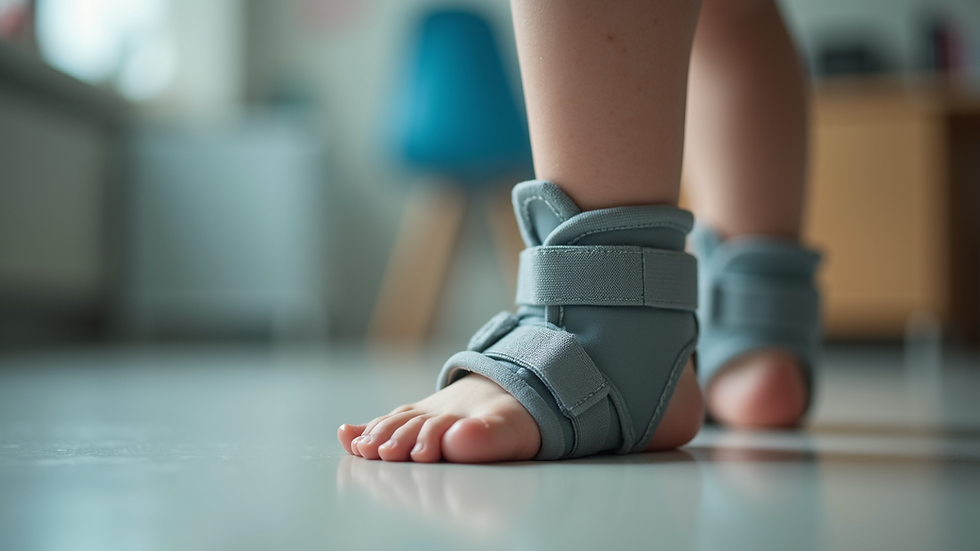
Bracing: After the casting phase, the child will wear a brace to maintain the corrected position.
Effectiveness
Research shows that the Ponseti method has a success rate of over 90% when followed correctly. Early intervention is key to achieving the best outcomes.
French Functional Method
The French functional method is another approach that focuses on stretching and mobilization of the foot. This method is less commonly used than the Ponseti method but can be effective in certain cases.
Key Features:
Daily Manipulation: Parents or caregivers are trained to perform daily stretching exercises.
Footwear: Special shoes may be used to help maintain the foot's position.
Effectiveness
While the French method can be effective, it requires consistent effort from parents and caregivers. Success rates vary, and it may not be suitable for all cases of clubfoot.
Surgical Options
In more severe cases of clubfoot or when non-surgical methods fail, surgical intervention may be necessary. Surgical options include:
Soft Tissue Release: This involves cutting tight ligaments and tendons to allow for better foot positioning.
Bone Surgery: In some cases, bones may need to be realigned or reshaped.
Considerations
Surgery is typically considered a last resort and is usually performed when the child is older. The goal is to improve function and appearance while minimizing complications.
Post-Treatment Care
Importance of Follow-Up
Regular follow-up appointments are essential to monitor the child's progress and ensure that the foot remains in the correct position. This may involve:
Casting or bracing adjustments: As the child grows, adjustments may be needed to maintain proper alignment.
Physical therapy: Exercises may be recommended to strengthen the foot and improve mobility.
Long-Term Outcomes
With proper treatment and follow-up care, most children with clubfoot can lead active, healthy lives. They can participate in sports and other activities without significant limitations.
Addressing Common Concerns
Pain Management
Parents often worry about their child's comfort during treatment. While some discomfort may occur during casting or bracing, most children adapt well. Pain management strategies include:
Over-the-counter pain relievers: Medications like acetaminophen can help alleviate discomfort.
Comfort measures: Ensuring the child is comfortable in their cast or brace can reduce fussiness.
Emotional Support
Children with clubfoot may face emotional challenges as they grow. Providing emotional support and encouraging open communication can help them cope with any feelings of self-consciousness.
Conclusion
Effective treatments for clubfoot and related deformities are available, with the Ponseti method being the most widely recognized. Early diagnosis and intervention are critical for achieving the best outcomes. With proper care, children with clubfoot can lead fulfilling lives, free from the limitations of their condition. If you suspect your child has clubfoot, consult a healthcare professional for an evaluation and to discuss the best treatment options.


Comments